
Can You Wrap a Leased Car? Lease Rules, Removal, and 2026 Costs
Can You Wrap a Leased Car? Lease Rules, Removal, and 2026 Costs
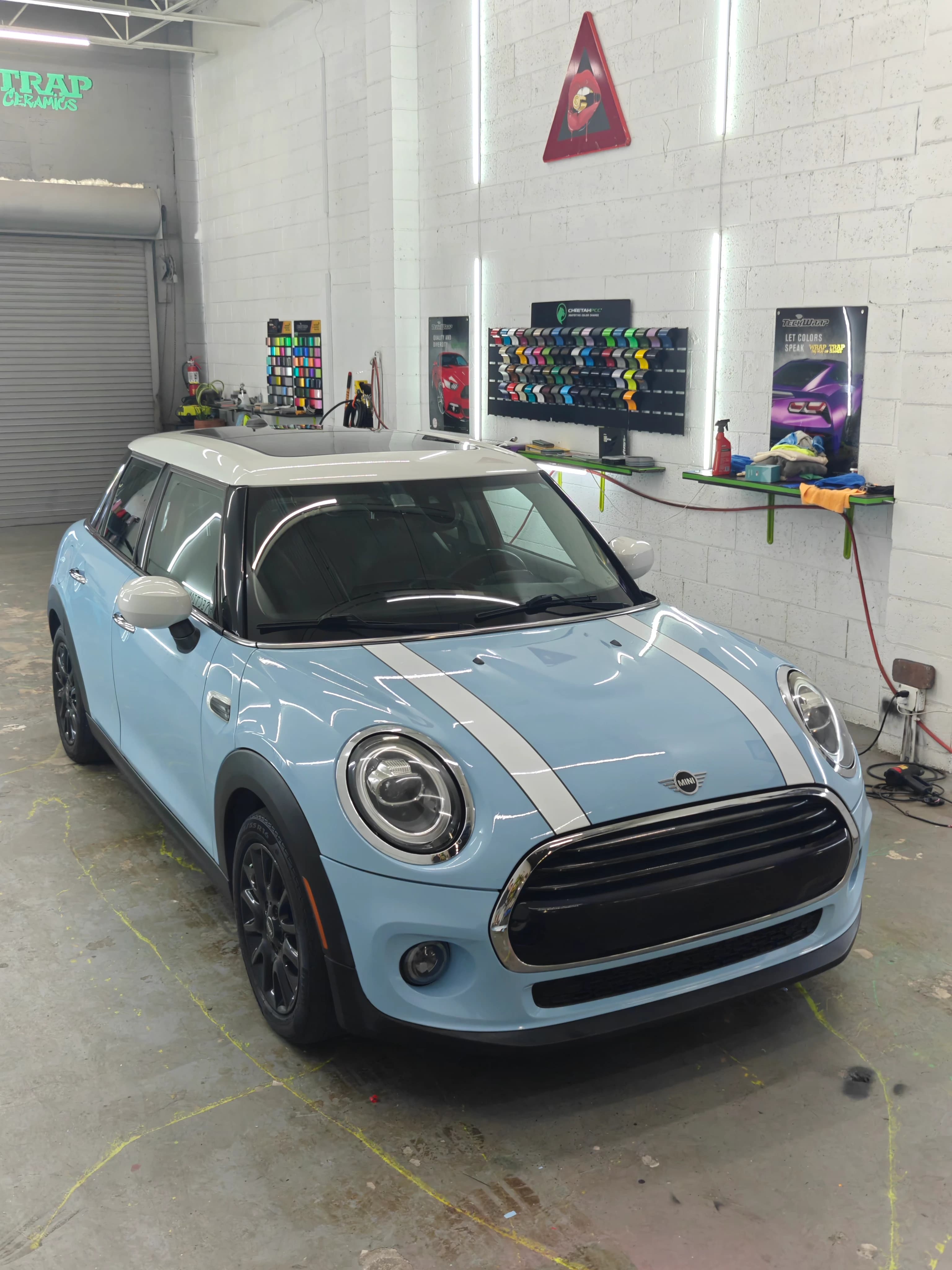
Yes. A leased car can be wrapped, and it is one of the most common jobs that rolls into our bay at Wrap Trap in Hollywood, FL. Vinyl sits on top of the factory clear coat without bonding into it, so a professionally installed wrap peels back off before turn-in and the paint underneath looks the way it did the day the film went on.
Price anchor, September 2026: a full color-change vinyl wrap at Wrap Trap runs $2,500–$6,000 depending on vehicle size and film, takes 3–5 days in the shop, and every full vinyl wrap leaves with a complimentary ceramic top coat. Get a vinyl wrap quote or call (305) 244-8908 and tell us it is a lease, because that changes a few of our recommendations below.
Updated September 2026. This guide first ran in February. We have refreshed it with current 2026 pricing, replaced the stock imagery with photos of wraps from our own bay, tightened the lease-language section so it no longer names specific finance companies (their terms vary and change; yours is the one that matters), and added a full FAQ covering residuals, insurance, and Tesla leases.
Why Vinyl Wrap Works on Leased Cars
Paint is a chemical layer cured onto the body. Vinyl wrap is a pressure-sensitive film that holds on by adhesion alone. That single difference is why a wrap is not a permanent modification in the way a respray, a shaved badge, or an aftermarket bumper is.
Lease contracts are written around one idea: you hand the vehicle back in the condition you received it, minus normal wear. Anything that changes the car in a way the next owner cannot undo tends to be prohibited or charged back. A wrap that is fully removed before the inspection leaves nothing behind to charge for.
There is a second benefit that lessees tend to underrate. For the entire term, the film is taking the rock chips, the bird droppings, the sap, and the South Florida UV that would otherwise have landed on the factory paint. Many of the wraps we remove come off cars whose paint is in better condition than an unwrapped car of the same age, because it has effectively been garaged under film for three years.
Step 1: Review Your Lease Agreement
Before you pick a color, read the section of your lease that deals with alterations, accessories, or modifications. It is usually short. Look for four things:
Most lessors we have dealt with through our customers treat a fully removed wrap the same as any other accessory that leaves no trace. But that is a pattern, not a promise. Leasing terms differ from company to company and from year to year, and only the document you signed governs your car. Check your lease.
If the language is unclear, ask. A short email to the lessor describing a removable vinyl wrap, with a request for written confirmation that it is allowed provided it is removed before return, costs you five minutes. Keep the reply. If a question ever comes up at turn-in, that email settles it.
Step 2: Understand Dealer Permissions
The person who sold you the lease at the dealership is usually not the party who owns the car. The finance company is. A salesperson saying it is fine is a friendly opinion; it is the lessor's written position you want.
If the lessor will not approve a color change, ask about clear paint protection film instead. Clear PPF is a protective product rather than a cosmetic one, it is invisible on the car, and in our experience it is the alteration lessors object to least. It gives you rock-chip and UV protection for the term, and it comes off the same way vinyl does.
A middle path many of our lease customers take: a partial wrap. A satin black roof, a wrapped hood, mirror caps, or a chrome delete changes the look of the car dramatically, costs a fraction of a full wrap, and is quicker to remove at the end.
Step 3: Choose the Right Shop
On a car you own, a bad wrap costs you a re-do. On a car you lease, a bad wrap can cost you at turn-in. The removability of a wrap comes down to three things, and two of them are decided the day it is installed.
Film quality. Premium cast vinyl from the major film manufacturers is engineered to release cleanly from factory paint years later. Budget calendered film is not. Cheap adhesive systems get more aggressive as they age and cook, and three Florida summers is a lot of cooking. The classic failure is adhesive that stays on the car when the film comes off, which then has to be dissolved and polished away panel by panel. We install premium cast film only, and on a lease we will not talk you into anything cheaper, because we are the ones who have to take it off.
Installation quality. A wrap that was laid on properly decontaminated paint, with edges tucked and post-heated correctly, comes off in large, predictable pieces. A rushed install on dirty paint comes off in fragments.
Age at removal. Every film has a removal window the manufacturer publishes. Cast vinyl from a reputable maker is still well inside that window at the end of a 36-month lease. Film left on for six or seven years is a different job.
The practical rule: have the same shop install and remove the wrap. We know exactly what went on your car and how, which makes the removal appointment quick and uneventful.
The Removal Process: What Actually Happens
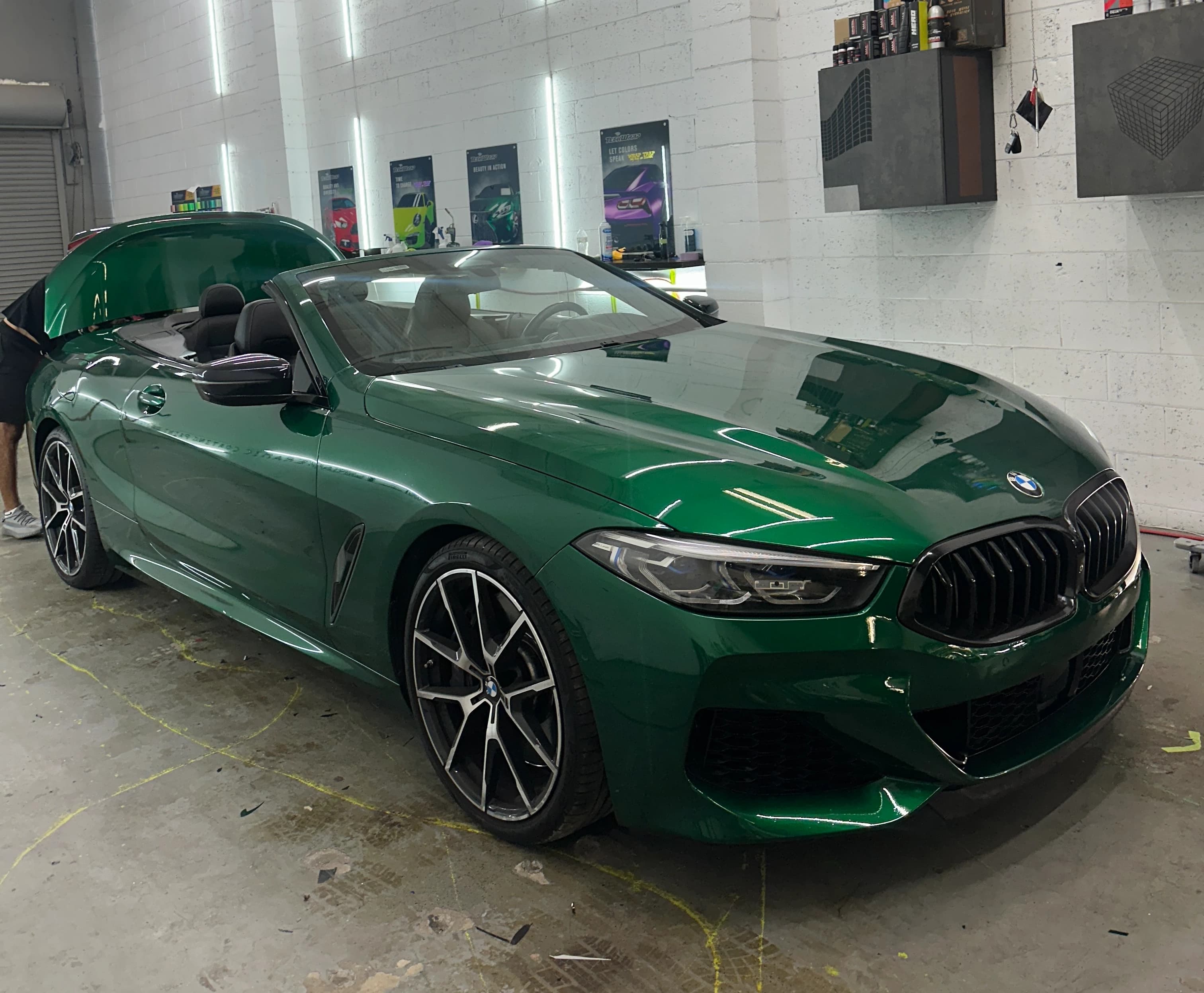
Customers picture removal as peeling a sticker. On a full wrap it is a half-day of careful, controlled work, and it goes like this.
Heat. Each panel is warmed with a heat gun or steamer until the adhesive softens. Too little heat and the film snaps; too much and the adhesive smears. The technician is reading the film the whole time.
Lift. Starting from an edge, the film is pulled back at a low, consistent angle, keeping it in one piece as long as possible. Long pulls are the goal. Short, torn pieces multiply the time.
Residue. Even with good film, a light adhesive haze can remain in places, especially where the film was stretched into a recess. That is removed with a clear-coat-safe adhesive remover and a microfiber, then the panel is wiped down.
Inspection. With the film off, we go over the paint under shop lighting and note anything we see. On a clean install of premium film, what we see is factory paint with three years less exposure than the rest of the car.
A full-vehicle removal typically takes a good part of a day depending on the vehicle, and we price it separately once we see the film's age and condition. Book it two to three weeks ahead of your return date, not the morning of.
What Happens at Lease Turn-In?
The turn-in inspection is a walk-around against the lessor's wear standard. Paint gets checked for scratches, chips, dents, and mismatched panels. If the wrap has been fully removed and the paint is clean, there is nothing about a former wrap for an inspector to find, and nothing to note.
Where lessees get into trouble is not the wrap itself. It is one of these:
Every one of those is avoidable with a calendar and a camera.
Cost Comparison: Is Wrapping a Leased Car Worth It?
Here is the honest arithmetic for a 36-month lease at 2026 Wrap Trap pricing.
Full color-change vinyl wrap: $2,500–$6,000, depending on the size of the vehicle and whether you choose a standard gloss, a satin or matte, or a special-effect film. High gloss and color-shift films sit toward the top of the range. Every full vinyl wrap leaves with a complimentary ceramic top coat, which makes washing easier and helps the film shrug off three years of sun.
Removal at the end of the term: quoted separately, based on the film's age and condition when you bring it back.
What you get for it: three years driving the color you actually wanted, and factory paint that spent those three years under a protective layer instead of out in the weather. Paint chips and fade are exactly the kind of thing a turn-in inspector bills for, and on a wrapped car they land on the film.
If you are considering colored PPF instead of vinyl, the math changes. Colored PPF runs $4,500–$8,500, lasts 7–10 years, and adds rock-chip protection that vinyl does not offer. That is a lot of film life to leave on the table at the end of a 36-month lease, so on a lease we usually steer people toward vinyl. If you plan to buy the car out at the end of the term, colored PPF becomes the better long-term buy.
Why Quality Matters Even More on Leased Cars
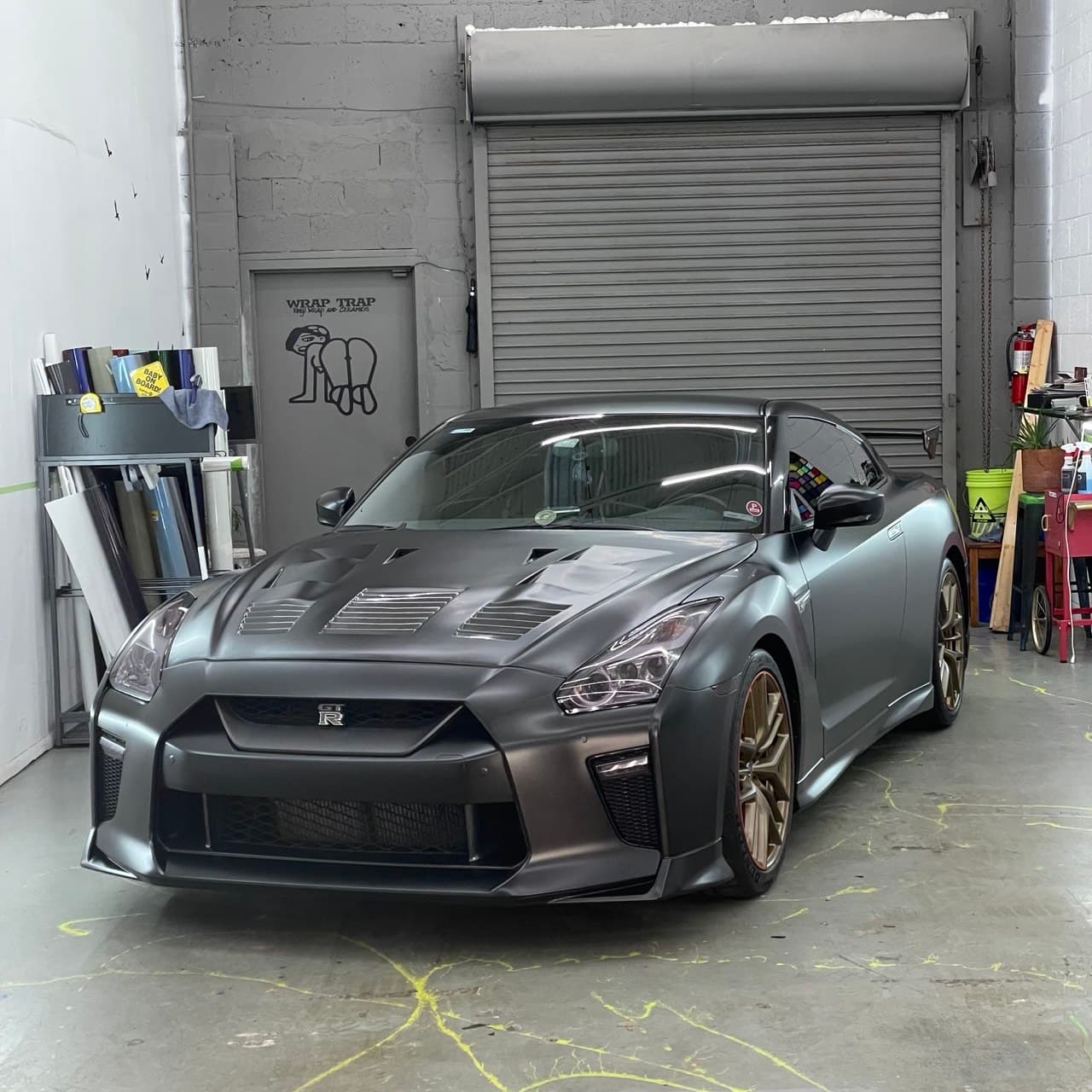
We remove wraps we did not install fairly often, and we can usually tell within the first panel what kind of film is on the car. Good film lifts in long sheets and leaves a clean surface. Bad film cracks, tears into pieces, and leaves adhesive that has to be dissolved off. That second job takes far longer, and on a lease the clock is real.
Signs the wrap on your car may be a problem at removal time:
If that describes a wrap already on your leased car, bring it in early. The sooner it comes off, the easier the removal.
Wrap Your Lease the Right Way
If you lease and you are tired of driving the color the dealer had on the lot, this is a job we do all the time. We install premium cast vinyl, we keep a record of what went on your car, and we are here for the removal appointment when the term ends. Tell us the return date when you book and we will plan the schedule backward from it.
See vinyl wrap pricing and finishes | Chrome delete for leased cars | Clear PPF | Ask for a lease-friendly quote
Wrap Trap is at 1810 N Dixie Hwy in Hollywood, FL 33020. Call (305) 244-8908, or stop by and put film samples against your actual paint before you decide.
Frequently Asked Questions
Ready to Get Started?
Get a free quote from Wrap Trap — South Florida's premier wrap shop.