
MANUFACTURER PROMOTION · COLORED PPF · LIMITED TIME · ENDS MAY 10
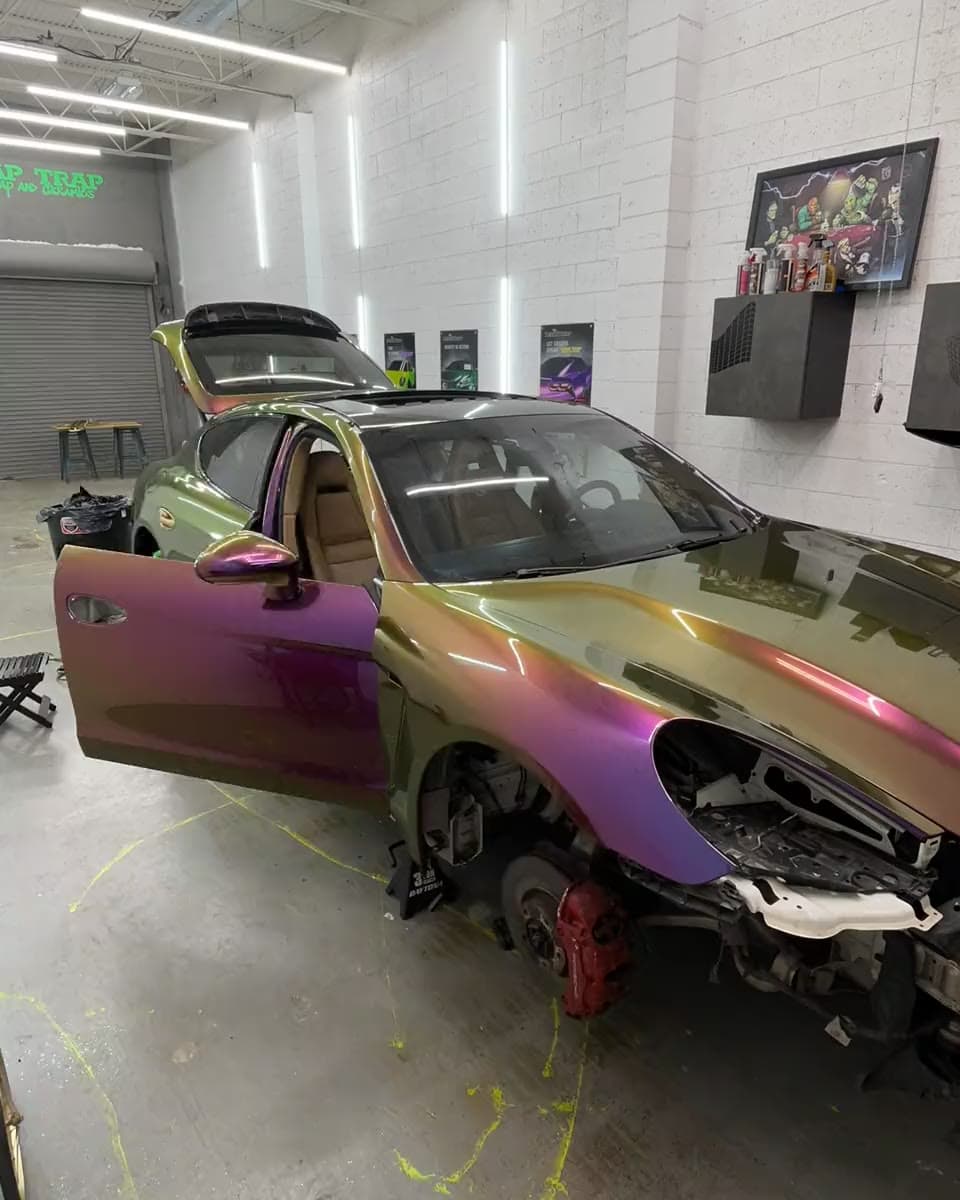
Vehicle with paint protection finish
Honest Comparison · 2026 Edition

Ceramic Coating vs PPF

Two very different ways to protect your paint. One is a chemical coating. One is a physical shield. Most people don't need both — here's how to pick the right one.

Top Rated on Google
🎁FREE Ceramic Coating with Full Wraps
💎Premium Materials Only
🛡️Warranty Included

The Short Answer

Ceramic coating is a liquid polymer that chemically bonds with your paint. It makes the surface extremely hydrophobic (water slides off), enhances gloss, and resists UV fading. It does not block rock chips.

PPF (paint protection film) is a thick urethane film applied on top of your paint. It physically absorbs rock chips, scratches, and road debris. It's self-healing for minor scratches. Modern PPF includes a ceramic-coated top layer too — so in a sense, it already is ceramic coating plus impact protection.

Side-by-Side

The Real Difference

Different tools for different problems. Both are legitimate — they just solve different things.

Ceramic Coating

Chemical bond · Hydrophobic

Liquid polymer

Shine · Clean · UV

Hydrophobic — water beads and rolls off
Enhances gloss and color depth
UV-resistant — reduces paint fading
Easier washing and drying
Does NOT block rock chips or impacts
3–5 year lifespan (pro-grade)
PPF (Paint Protection Film)

Physical shield · Self-healing

8+ mil urethane

Impact · Chips · Long life

Blocks rock chips from gravel and road debris
Self-healing — scratches fade with heat
Includes ceramic-coated hydrophobic top layer
UV-stable and doesn't yellow over time
Full front, partial, or track packages
7–10 year lifespan with proper install

Decision Framework

When to Pick Each

Most people only need one. Some situations call for both.

Pick Ceramic Coating if…

  • You care about shine, gloss, and easy washing
  • You don't drive highway gravel routes regularly
  • You want affordable long-term paint protection
  • You're adding it to a car that already has PPF or a wrap
  • You want a 3–5 year investment you can repeat
  • Your paint is already in excellent condition

Pick PPF if…

  • You drive I-95 / gravel / highway daily
  • You're keeping the car 5+ years
  • You've seen rock chips on your current car
  • You want impact protection, not just shine
  • Your car is new or you just had paint work done
  • You want the 7–10 year longer-term solution

Use Both If…

You have a luxury or exotic vehicle you want to protect fully — PPF on the high-impact areas (front bumper, hood, fenders) plus ceramic coating on everything else (doors, roof, trunk). This is the maximum-protection stack. You get impact armor where you need it and hydrophobic shine everywhere else.

Common Questions

Ceramic vs PPF — FAQ

Straight answers to the questions we get asked most.

They protect against different things. PPF physically absorbs impacts — rock chips, scratches, road debris. Ceramic coating doesn't stop impacts but makes the surface hydrophobic, UV-resistant, and easier to clean. For maximum paint protection, PPF is the clear winner on high-impact areas like the front bumper and hood. For shine and ease-of-cleaning on the rest of the car, ceramic coating is the right tool. Many luxury car owners use both.
Yes — modern PPF already includes a ceramic-coated top layer, but you can add an additional professional ceramic coating on top for enhanced hydrophobic properties and longer protection. This is actually a recommended maintenance practice. The ceramic coating extends the self-healing and stain resistance of the PPF and makes it even easier to clean.
Professional-grade ceramic coating lasts 3–5 years in South Florida conditions. PPF lasts 7–10 years. The tradeoff: ceramic is less expensive and easier to reapply, while PPF is a longer-term, higher-upfront-cost investment. Over a 10-year ownership, you'd typically apply ceramic coating 2–3 times vs. one PPF install.
For most cars, no. A quality PPF install already includes a ceramic-coated top layer, so you get the hydrophobic benefits baked in. Adding a separate ceramic coating on top makes sense for luxury or exotic vehicles where the owner wants maximum protection and extra-long water-beading performance, or on areas NOT covered by PPF (like the roof and trunk).
Ceramic coating is significantly less expensive upfront. A professional ceramic coating typically runs $700–$2,500 depending on paint correction needs. A full-front PPF install typically runs $1,500–$3,500, and a full-body PPF can exceed $6,000+. For pure cost-per-year, ceramic and PPF are closer than the upfront numbers suggest (because PPF lasts 2x as long), but ceramic is easier on the budget day one.
No. Ceramic coating is a molecular-level surface enhancement — it doesn't add physical thickness to your paint. Rock chips happen when a projectile impacts your paint with enough force to break through. Only PPF (physical film) adds thickness to absorb impacts. If rock chips are your primary concern, skip ceramic and go with PPF on the high-impact areas.

Ready to Transform Your Ride?

Every full wrap includes FREE ceramic coating. Get your free quote today.